
Tides & Tales
Tides & Tales is a community response to the loss of maritime traditions in the Waterford harbour villages, the tidal portions of the Three Sister River network, Barrow, Nore & Suir and the Waterford coastline. We focus on the maritime and fishing heritage that was once an intrinsic part of the maritime community here through research, writing and dissemination. The work is communicated via the blog, social media, books, presentations, workshops, walks and in educational settings.
Voluntary Management Committee
In December 2023 a voluntary committee was formed to seek to secure funds to offset the costs of the work which up to that point had been entirely self-financed through personal means, walks and talks. The work was and is also supported with information and images by many contributors and mentors with a deep interest in the maritime community, local history, traditions and heritage. In September 2024 we became a CLG (#772195) with a three person board. Our Chair is Breda Murphy, Secretary, Damien McLellan and Treasurer is Eoghan Hegarty.
Our Vision
Heritage Preserved, Opportunities Created
Our Mission
To foster understanding, appreciation and care for the unique culture and natural environment of the Three Sister Rivers by researching, documenting and promoting the stories, traditions, trades and river craft of the communities where the rivers meet the sea

Our Method:
- To raise awareness of the rich historic and cultural heritage of these communities that may not be forgotten or taken for granted.
- To research, record, document and publish the maritime stories and traditions that are in danger of being lost forever.
- To establish a working group that can support this work and put it on a more permanent basis.
- To finance a co-ordinator who can take a lead role in this work.
- To raise funds by sourcing grants and other income streams that are available and relevant to the project.
About The Management Committee:
The Management Committee is a not-for-profit group.
The aims of the Management Committee are as follows:
- Maintain and support the existing body of work.
- Examine the feasibility of identifying and establishing an appropriate formal framework to support the work.
- To develop a pilot project proposal.
- Explore funding options.
Our Values:
This project has been driven since inception by the principals of community development. It was born out of a desire to strengthen the social capital and community pride of the maritime communities of the estuary and rivers. Some specific values that guide us include:
- Awareness Raising. To raise the consciousness of what we have in terms of location, history, knowledge and skills.
- Empowerment. Seek to encourage an appreciation and respect for the traditions of this maritime community to get people engaged, excited and involved.
- Participation. Seek ways to include people of all ages in the process of researching, communicating and preserving the heritage of our community.
- Respect. Model respect and pride in our maritime traditions and those who practiced them and work to foster a shared appreciation of this in everything we do.
- Social Justice. Strive to put a focus on the issues impacting the maritime villages and communities and ensure that any benefits are directed towards these and not those already doing well.
Our Blog
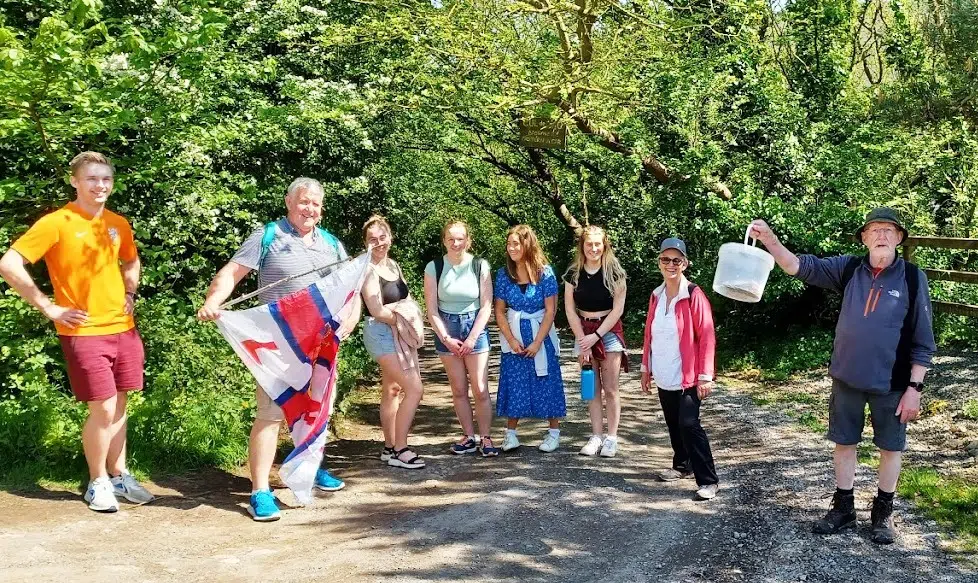
Mayday Mile 2022 in aid of RNLI Dunmore East
The Mayday Mile is a major fundraising initiative of the RNLI. 150 people drown in UK and Irish waters every year. And this summer, thousands of people will get into danger by the water. Ordinary people enjoying days out with family or friends. It happens so easily,...

When the Light Goes Out
I finally received my long-anticipated copy of Pete Goulding’s book on Irish lighthouse fatalities, and I can heartily recommend it to anyone with an interest in lighthouses, maritime heritage, or Irish history in general. When the Light Goes Out, a clever title by...
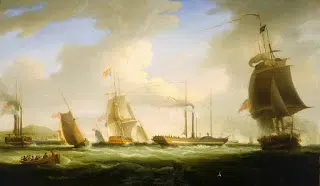
Waterford Mail Packet Service ships
An official mail packet service ran between Milford Haven and Waterford from 1787 to 1848. The service often referred to at the time as the Southern Route, operated in competition with an earlier route between Holyhead and Dublin*. Although the Southern route was...
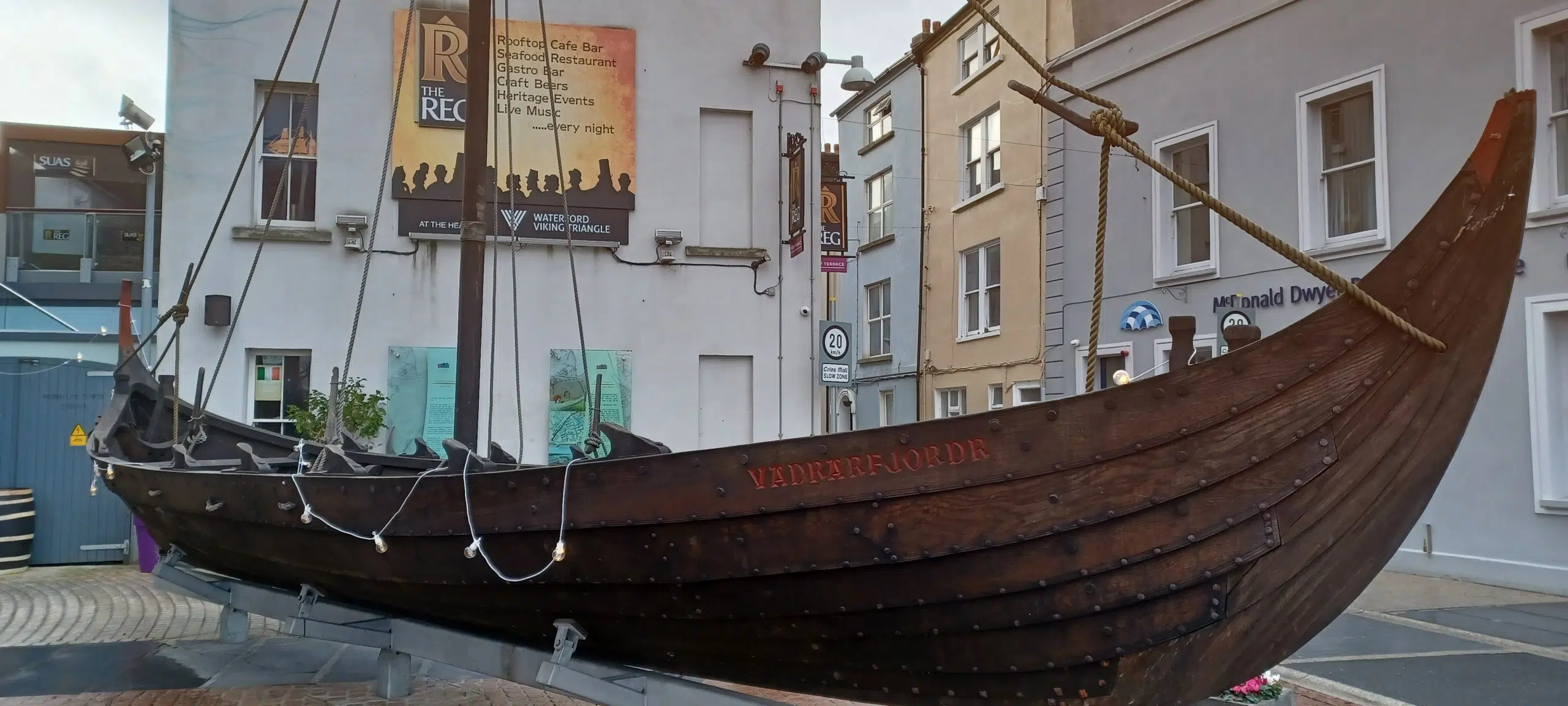
Waterford Quay
The very existence of Waterford and the quays are linked to the coming of the Vikings, who arrived in the mid 9th Century to the area. The harbour was first seen as a staging point, from where raids could be launched inland via the Three Sisters river network of the...
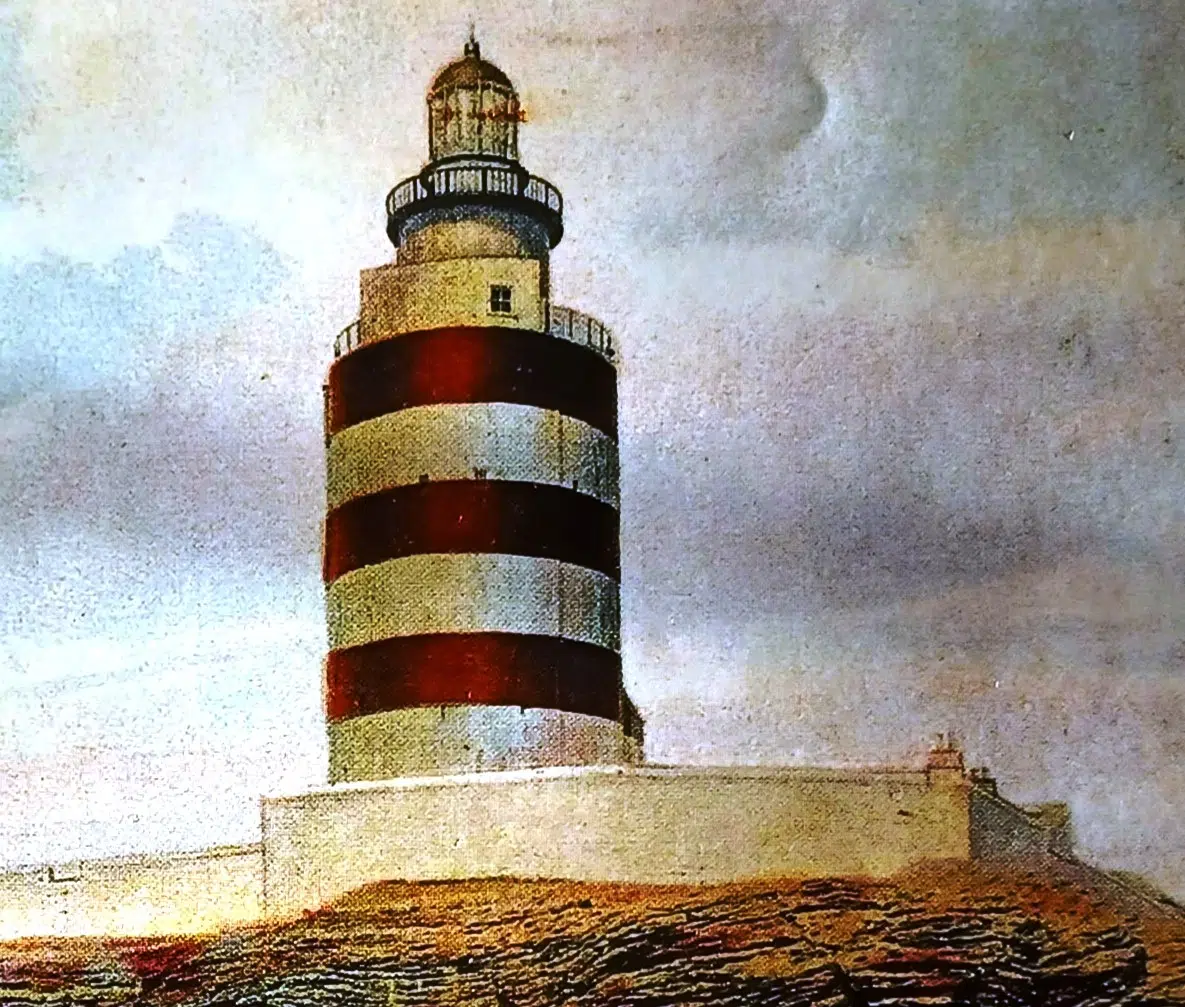
Hook Lighthouse gets a makeover
Last month we explored the loss of the American Sailing Ship Columbus, lost on the Hook Peninsula in 1852. The ship was wrecked on the jagged rocks, thanks in no small part to the mistaken belief that the Hook Head lighthouse was actually Tuskar Lighthouse, about...

Loss of the Stowell Brown
On 13 February 1884 the fully rigged sailing ship Stowell Brown came to grief on the sand bar above Creaden Head, one of several ships caught out in a terrific February storm that year. A regular and popular guest contributor to our page, David Carroll has the story....