
Tides & Tales
Tides & Tales is a community response to the loss of maritime traditions in the Waterford harbour villages, the tidal portions of the Three Sister River network, Barrow, Nore & Suir and the Waterford coastline. We focus on the maritime and fishing heritage that was once an intrinsic part of the maritime community here through research, writing and dissemination. The work is communicated via the blog, social media, books, presentations, workshops, walks and in educational settings.
Voluntary Management Committee
In December 2023 a voluntary committee was formed to seek to secure funds to offset the costs of the work which up to that point had been entirely self-financed through personal means, walks and talks. The work was and is also supported with information and images by many contributors and mentors with a deep interest in the maritime community, local history, traditions and heritage. In September 2024 we became a CLG (#772195) with a three person board. Our Chair is Breda Murphy, Secretary, Damien McLellan and Treasurer is Eoghan Hegarty.
Our Vision
Heritage Preserved, Opportunities Created
Our Mission
To foster understanding, appreciation and care for the unique culture and natural environment of the Three Sister Rivers by researching, documenting and promoting the stories, traditions, trades and river craft of the communities where the rivers meet the sea

Our Method:
- To raise awareness of the rich historic and cultural heritage of these communities that may not be forgotten or taken for granted.
- To research, record, document and publish the maritime stories and traditions that are in danger of being lost forever.
- To establish a working group that can support this work and put it on a more permanent basis.
- To finance a co-ordinator who can take a lead role in this work.
- To raise funds by sourcing grants and other income streams that are available and relevant to the project.
About The Management Committee:
The Management Committee is a not-for-profit group.
The aims of the Management Committee are as follows:
- Maintain and support the existing body of work.
- Examine the feasibility of identifying and establishing an appropriate formal framework to support the work.
- To develop a pilot project proposal.
- Explore funding options.
Our Values:
This project has been driven since inception by the principals of community development. It was born out of a desire to strengthen the social capital and community pride of the maritime communities of the estuary and rivers. Some specific values that guide us include:
- Awareness Raising. To raise the consciousness of what we have in terms of location, history, knowledge and skills.
- Empowerment. Seek to encourage an appreciation and respect for the traditions of this maritime community to get people engaged, excited and involved.
- Participation. Seek ways to include people of all ages in the process of researching, communicating and preserving the heritage of our community.
- Respect. Model respect and pride in our maritime traditions and those who practiced them and work to foster a shared appreciation of this in everything we do.
- Social Justice. Strive to put a focus on the issues impacting the maritime villages and communities and ensure that any benefits are directed towards these and not those already doing well.
Our Blog

Reimagining Henry II’s route to Waterford Oct 1171
After a busy month of activities, I was relieved when Damien McLellan offered a guest blog arising from last week's two-day event exploring the arrival of Henry II at Passage East in 1171 - 850 years ago this year. Damien, like so many others who attended, was buzzing...

Arming the IRA – BGHS Talk
Arming the IRA – Running guns into Waterford Harbour 1921 By early summer of 1921, the IRA was facing a crisis in its conflict with British forces - a severe shortage of arms and ammunition. This shortage was threatening to curtail operations by the active units...

Henry II, Crooke 1171 Recalled
Henry II, Crooke 1171 Recalled is a two day event that the Barony of Gaultier Historical Society is hosting on the 23rd and 24th of October 2021. We had previously planned to hold it a week earlier on the 17th October 2021, which is the 850th...

Loss of the Gannet – an unholy row
On a dark December night off the coast of Dunmore East, the pilot boat Gannet spotted an incoming steamer and sailed on a line upriver to intercept. The action would lead to the loss of the pilot boat and an unholy row in Waterford that would see the court of...
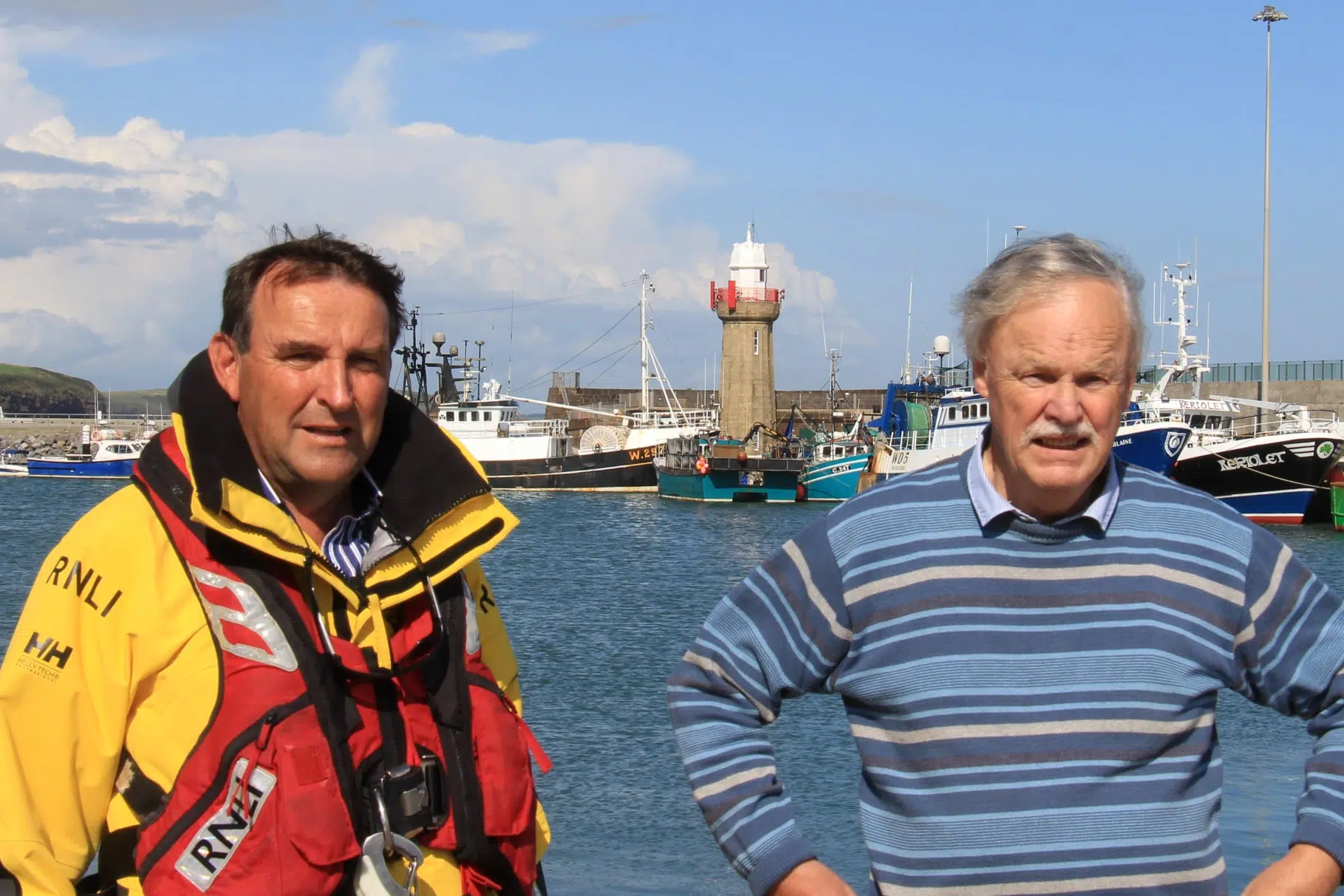
Dunmore East RNLI receives €31,050 from sales of the book ‘Dauntless Courage’
I wanted to acknowledge this wonderful achievement by a blog regular, David Carroll. David wrote his first guest blog for us in January 2017 and has been a firm favourite since. In that story, Memories of a Harbour Boy, David recalled growing up in Dunmore East...

Penny wise, Pound foolish: A further threat to the Barrow Railway Bridge
This coming September marks the 11th anniversary of the last passenger train to use the SW Wexford railway line and the Barrow Railway Viaduct. The bridge is Irelands longest rail bridge but it would appear that this September may see another regressive step...